
Construction Films
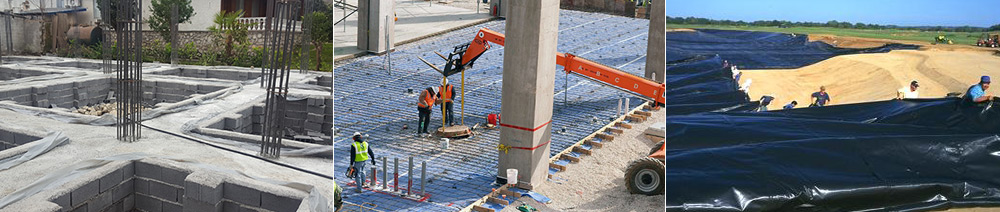
Construction plastics, particularly polyethylene films, are widely utilized across the building and civil engineering industries. Among these, construction-grade polyethylene films stand out due to their versatile roles in modern construction practices.
Known as construction film or building nylon, this material is typically produced from film-grade polyethylene resins, blended with specific additives and colorants. Manufactured in widths often exceeding one meter, it offers a combination of practical benefits such as high tear resistance, long-lasting durability, cost-efficiency, and ease of application on site.
- Wide Construction Film: Keyhan Plastic manufactures a variety of single-layer and multi-layer wide construction films, available in widths up to 10 meters and offered in various colors. These films are ideal for construction uses such as floor protection during painting, temporary insulation of unfinished structures to block dust, noise, and cold air infiltration.
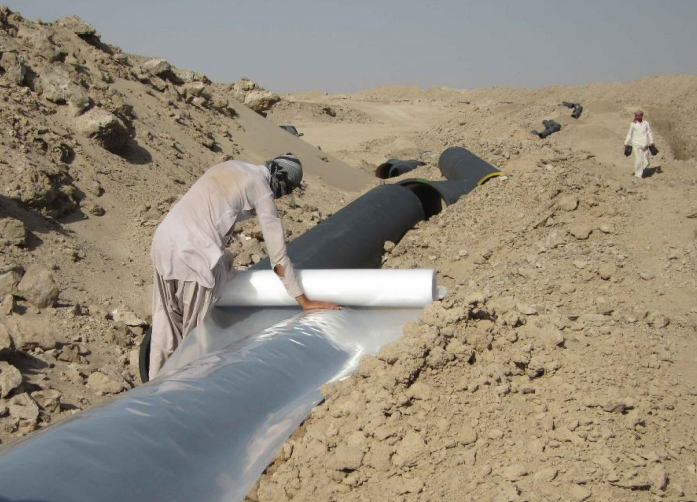
- Polyethylene Pipe Sleeves: These are multi-layer polyethylene films with an average thickness of 200 microns, produced in tubular (so-called “roodé”) form. They are commonly used as protective covers for cast iron and metal pipes, serving as a barrier against soil-induced corrosion.
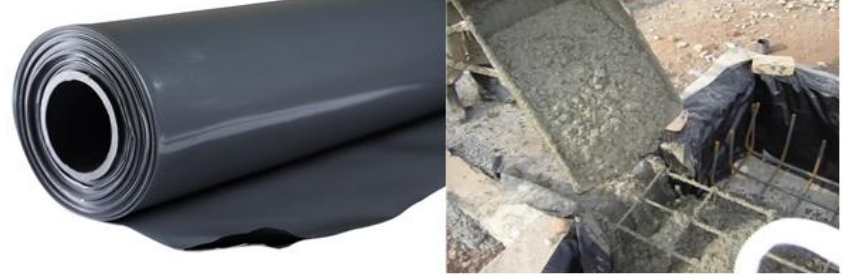
- Foundation Film (Shanazh Nylon): Typically produced in black, grey, or green, this type of film is available in different sizes and thicknesses. It plays a critical role in protecting the foundation’s durability and structural integrity. For cost-effectiveness and environmental considerations, recycled materials can be used upon customer request.
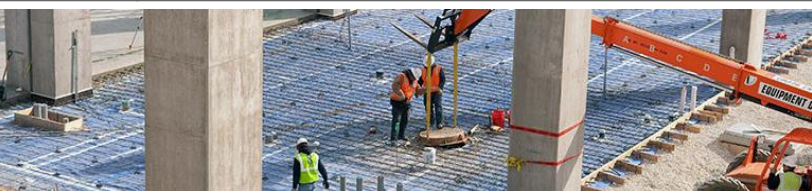
- Vapor Barrier Film: Used prior to concrete pouring or placing concrete blocks on the ground, this film prevents vapor and underground gases from seeping into the concrete, making it essential for construction and civil engineering projects.
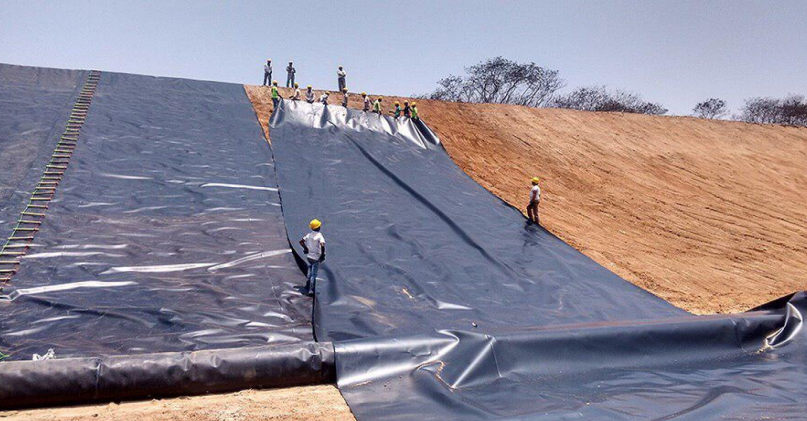
- Pond and Asphalt Insulation Film (Polyethylene Geomembrane): This is a heavy-duty, multi-layer film manufactured in large widths, designed to block salt intrusion from soil into asphalt layers. It also serves as a moisture barrier for water-related structures such as swimming pools, artificial lakes, and irrigation ponds.
- Recyclability: Polyethylene construction films can be recycled multiple times while retaining most of their original properties. Their recyclability contributes significantly to reducing the consumption of natural resources, lowering environmental pollution, and minimizing waste disposal.
- Cost-Efficient Production: Compared to alternative materials, construction-grade polyethylene films are more affordable to produce and easier to customize. Their high durability and extended service life also reduce maintenance needs and operational costs over time.
- Custom Manufacturing Options: These films can be produced in a wide array of widths, thicknesses, and colors. In addition, packaging can be tailored to suit customer preferences and adapted to different climatic and geographic conditions.
- Chemical Resistance: Polyethylene films show excellent resistance to a variety of chemicals, making them particularly valuable in construction environments where exposure to harsh substances is common.
- Durability and Strength: Engineered to withstand challenging weather and environmental conditions, construction films provide the level of resilience required for demanding building applications.
- Moisture Resistance: These films offer minimal water permeability, making them an effective moisture barrier in construction projects.
- Corrosion Resistance: Highly resistant to corrosion, construction films are suitable for use in environments exposed to moisture, acidic or alkaline substances, and various other corrosive agents.
- Lightweight and Flexible: The lightweight nature and high flexibility of construction films make them easier and faster to apply on job sites, simplifying installation and improving overall project efficiency.
- Surface Protection and Covering: Construction films are commonly used as floor coverings to shield building materials and surfaces from elements like rain, dust, and paint. During active construction phases, they also serve as temporary barriers for doors and windows, helping prevent wind and moisture from entering unfinished structures.
- Moisture Insulation: In various construction stages, polyethylene films act as vapor barriers—applied to roofs or under floor layers to prevent moisture penetration into the structure. These heavy-duty, multi-layered films are also utilized for waterproofing pools, reservoirs, and occasionally beneath asphalt layers during roadworks.
- Concrete Work: During foundation preparation, construction film (often referred to as foundation nylon) is placed between the soil and concrete. This prevents the concrete’s water content from being absorbed into the ground, allowing the mixture to cure properly and maintain optimal hydration levels.
- How much does construction film cost?
Compared to other protective materials, construction-grade polyethylene films are relatively affordable. To further reduce costs, recycled versions can be used. Pricing depends on factors such as film width, thickness, and customization. - What widths and thicknesses are available for construction films?
These films are manufactured in widths ranging from 1 to 10 meters, with typical thicknesses between 100 and 200 microns, depending on customer requirements and project specifications. - How is construction film packaged?
Construction films are supplied in rolls, sized according to the film’s width. Each roll is wrapped with a polyethylene cover to protect it during transport and storage. - What materials are used to produce construction films?
The films are generally made from a blend of high-density and low-density polyethylene (HDPE and LDPE), combined with selected additives and color pigments to enhance their performance and appearance. - Are there any disadvantages to using construction films?
To improve resistance against sunlight and UV degradation, specific UV stabilizing additives must be included in the film formula. While this enhances durability, it can slightly raise the overall production cost.
Various Types of Construction Films
 Wide PE Nylon
 PE Encasement
 Foundation Film
 Vapor Barrier
 Geo-membrane
Wide PE Nylon
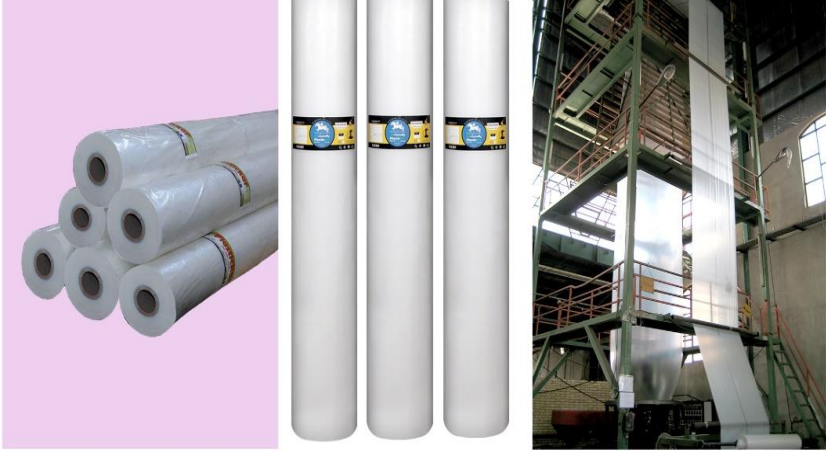
Wide films refer to PE sheets manufactured in widths ranging from 1 to 10 meters, serving various purposes. Common uses include covering industrial workshops, construction sites, temporary packaging for furniture and appliances, bedding for fruit and vegetable markets, frost protection for trees, and shielding loads in trucks or train wagons from dust, rain, and moisture.
Depending on customer needs, these films can be produced as single-layer flat sheets up to 4.2 meters wide, double-layer tubing (sleeves) up to 8.4 meters wide, double-layer slit tubing (semi-sleeve), and double-layer center slit tubing (unfolded). Gusseted rolls can also be made up to 10 meters in width. The following figure illustrates the roll types:
| Applications |
|
|---|---|
| Features |
|
| Thickness | 80 to 300 microns (Customizable) |
| Width | 1 to 10 meters (Customizable) |
| Color | Transparent, Lime, etc. (Customizable) |
| Packaging | Rolls wrapped with PE film, 76 mm core diameter; plastic lids support both ends |
Polyethylene Encasement
This product is a low-density polyethylene (LDPE) co-extruded film, typically about 200 microns thick, designed as a protective cover for ductile iron, metal, or plastic pipes. It serves as a cost-effective tubular encasement to safeguard underground pipelines from corrosive soils and is widely used in road construction and infrastructure projects.
Since these films are intended for underground pipe protection, they must comply with ISO 8180 standards. To ensure high durability and resistance, special additives are incorporated during manufacturing. Some moisture from the soil may penetrate the casing initially, which could trigger corrosion; however, oxygen inside the casing quickly depletes, halting the oxidation process.
Recommended uses include:
• Soils with low electrical resistivity, indicating high corrosivity
• Areas with elevated sulfate, chloride, or bacterial activity
• Regions prone to heavy dust and storms.
| Applications |
|
|---|---|
| Features |
|
| Thickness | 200 to 400 microns (Customizable) |
| Width | 8 to 34 cm (Customizable) |
| Color | Black, Transparent, Black/Silver (multi-color options) |
Foundation Film
Foundation or concrete pouring films are commonly manufactured using recycled polyethylene (PE). These films come in black, gray, or green rolls with various sizes and thicknesses. For enhanced durability against environmental conditions, premium transparent foundation films made from virgin materials are recommended.
| Applications |
|
|---|---|
| Features |
|
| Thickness | 70 to 200 microns (Customizable) |
| Width | 40 cm to 10 meters (Customizable) |
| Color | Gray, Green, Black, Transparent (Customizable) |
| Packaging | Rolls wrapped with PE film, 76 mm core diameter; plastic lids support both ends |
Vapor Barrier Film
Vapor barrier films are made from a mix of LDPE, HDPE, and selected additives. These high-thickness films are designed to minimize rapid moisture loss from concrete and to block harmful gases such as radon, methane, and other soil-based contaminants from entering concrete structures. Applied beneath concrete slabs or foundations, they act as an effective barrier. Flame retardants or other additives can also be included upon customer request for added performance.
| Applications |
|
|---|---|
| Features |
|
| Thickness | 100 to 500 microns |
| Width | 1 to 10 meters |
| Color | Blue (or by request) |
Geo-membrane Film
PE Geomembrane Films, also referred to as pool and asphalt insulation films, are crafted using LDPE, HDPE, and essential additives to achieve high thickness and durability. Typically produced in black, these films act as a reliable barrier to prevent the intrusion of soil salts—especially common in saline environments—into asphalt layers. Beyond asphalt protection, they serve as waterproof liners in various water containment systems such as swimming pools, reservoirs, ponds, artificial lakes, and streams in parks and agricultural sites.
| Applications |
|
|---|---|
| Features |
|
| Thickness | 200 to 500 microns |
| Width | 2 to 10 meters |
| Color | Black (or by request) |